Category: Uncategorized

  • Maximizing Space And Value: The Benefits Of Loft Conversions

    In today’s housing market, homeowners are constantly looking for ways to increase the value and functionality of their properties One popular solution that has been gaining traction in recent years is loft conversions This process involves transforming an underutilized attic space into a functional living area, such as an extra bedroom, home office, or entertainment room

    There are several benefits to investing in a loft conversion, making it a worthwhile endeavor for many homeowners One of the most significant advantages is the potential increase in property value By adding square footage to your home, you are effectively expanding the living space and making it more appealing to potential buyers According to a study conducted by the Nationwide Building Society, a loft conversion can add up to 20% to the value of a property This means that not only do you get to enjoy the additional space while you are living in the home, but you also have the potential to see a return on your investment should you decide to sell in the future.

    Another benefit of loft conversions is the ability to customize the space to suit your specific needs and preferences Whether you are in need of an extra bedroom for guests, a quiet home office for telecommuting, or a playroom for the kids, a loft conversion allows you to create a space that meets your individual requirements You can work with a professional designer or architect to come up with a layout that maximizes the available space and complements the existing aesthetic of your home.

    In addition to adding value and functionality to your property, loft conversions can also help you save money in the long run Rather than going through the expensive and time-consuming process of moving to a new home in order to gain more space, a loft conversion allows you to stay in the same location and make the most of the space you already have lofts conversions. This can result in considerable cost savings compared to purchasing a larger property or renting additional storage space.

    Furthermore, loft conversions are a sustainable and environmentally friendly option for expanding your living space By making use of existing space within your home, you are reducing the need for new construction and minimizing the environmental impact of your renovation project Additionally, converting your loft into a habitable area can improve the energy efficiency of your home by providing additional insulation and reducing heat loss, which can lead to lower energy bills in the long term.

    When it comes to planning a loft conversion, there are a few key considerations to keep in mind First and foremost, it is important to consult with a professional builder or architect to determine the feasibility of the project and ensure that it complies with local building regulations These experts can help you assess the structural integrity of your attic space, identify any potential challenges or limitations, and create a design that meets your needs and budget.

    Another important factor to consider is the overall design and layout of the converted loft You will need to think about how the new space will flow with the rest of your home, as well as how it will be accessed and used on a daily basis This may involve adding windows or skylights to bring in natural light, incorporating storage solutions to maximize space, and selecting finishes and furnishings that complement the existing decor.

    In conclusion, loft conversions offer a wide range of benefits for homeowners looking to maximize their living space and enhance the value of their property From increasing property value and customization options to cost savings and environmental sustainability, there are plenty of reasons to consider investing in a loft conversion By consulting with professionals, carefully planning the design, and staying within budget, you can create a functional and stylish living area that adds both practicality and value to your home.
  • Exploring The Various Names Of Additive Manufacturing

    Additive manufacturing is a revolutionary technology that is changing the way products are designed, developed, and produced. Also known as 3D printing, this innovative manufacturing process has gained popularity in recent years for its ability to create complex shapes and structures that were previously impossible to make with traditional manufacturing methods. While most people know additive manufacturing as 3D printing, there are actually several other names that are used to describe this cutting-edge technology.

    One of the most common alternative names for additive manufacturing is rapid prototyping. This term is often used to emphasize the speed and efficiency of the 3D printing process, especially when it comes to creating prototypes for new products. Rapid prototyping allows designers and engineers to quickly iterate on their ideas and test out different designs before moving forward with full-scale production. By using additive manufacturing for rapid prototyping, companies can reduce time to market and minimize the costs associated with traditional prototyping methods.

    Another term that is sometimes used interchangeably with additive manufacturing is solid freeform fabrication (SFF). While this name may not be as well-known as 3D printing or rapid prototyping, it is still commonly used in academic and research settings to describe the process of building objects layer by layer. Solid freeform fabrication encompasses a wide range of additive manufacturing techniques, including stereolithography, selective laser sintering, and fused deposition modeling. Researchers and academics often use this term to emphasize the versatility of additive manufacturing and its potential applications in various industries.

    In the aerospace and defense industries, additive manufacturing is often referred to as direct digital manufacturing (DDM). This term highlights the seamless transition from digital design to physical production that is made possible by 3D printing technology. With DDM, companies can create bespoke parts and components on-demand, without the need for expensive tooling or extensive lead times. This flexibility and agility make additive manufacturing a game-changer for aerospace and defense companies looking to streamline their supply chains and improve the performance of their products.

    In the medical field, additive manufacturing is sometimes called biofabrication or bioprinting. These terms are used to emphasize the unique ability of 3D printing technology to create custom implants, prosthetics, and even human tissue. Biofabrication has enormous potential to revolutionize healthcare by enabling personalized medicine and enhancing patient outcomes. By using additive manufacturing techniques like bioprinting, doctors and researchers can create patient-specific medical devices that are tailored to each individual’s unique anatomy.

    Another term that is commonly used to describe additive manufacturing is additive fabrication. This umbrella term encompasses all of the different additive manufacturing processes, regardless of the specific technique or material used. Additive fabrication is a broad category that includes not only 3D printing, but also other emerging technologies like continuous liquid interface production (CLIP) and electron beam melting (EBM). By using the term additive fabrication, industry professionals can convey the diversity and complexity of additive manufacturing as a whole.

    Overall, additive manufacturing goes by many names, each of which highlights a different aspect of this transformative technology. Whether you call it 3D printing, rapid prototyping, solid freeform fabrication, direct digital manufacturing, biofabrication, or additive fabrication, the underlying principle remains the same: building objects layer by layer to create complex shapes and structures. As additive manufacturing continues to evolve and expand into new industries and applications, we can expect to see even more names and terms emerge to describe this groundbreaking technology.

    In conclusion, additive manufacturing is also called a variety of names, each of which reflects its unique capabilities and potential applications. By understanding the different names and terms used to describe 3D printing, we can gain a more comprehensive appreciation of its impact on the manufacturing industry and society as a whole. Whether you are a designer, engineer, researcher, or consumer, additive manufacturing offers endless possibilities for innovation and creativity.

  • The Intricate Art Of Copper Etching Process

    Copper etching is a traditional printmaking technique that involves the use of acid to create intricate designs on a copper plate. This process has been used for centuries to produce high-quality prints that have a unique and rich texture. The etching process involves several steps that require careful attention to detail and precision.

    The first step in the copper etching process is to prepare the copper plate. The plate is cleaned thoroughly to remove any dirt or oil that may be present on its surface. Once the plate is clean, a coating of acid-resistant wax called “ground” is applied to the plate. The artist then uses a sharp tool called an etching needle to scratch through the ground, exposing the copper surface beneath.

    After the design is complete, the plate is immersed in a bath of acid, usually nitric acid or ferric chloride. The acid eats away at the exposed copper, creating recessed lines in the plate. The longer the plate is left in the acid bath, the deeper and wider the lines will become. This process is known as “biting.”

    Once the desired depth of the lines is achieved, the plate is removed from the acid bath and the remaining ground is removed using solvents. The plate is then cleaned and inked, with the ink filling the recessed lines created by the acid. The surface of the plate is wiped clean, leaving ink only in the etched lines.

    Next, a damp sheet of paper is placed on top of the inked plate and run through a printing press. The pressure from the press transfers the ink from the plate to the paper, creating a print of the design. The resulting print will have rich, velvety lines and a unique tactile quality that is characteristic of copper etching.

    Copper etching allows for a great deal of artistic freedom and creativity. Artists can create intricate designs with fine lines and subtle textures that are difficult to achieve with other printing methods. The process also allows for a wide range of effects, from delicate, fine lines to bold, expressive marks.

    One of the key advantages of copper etching is its ability to produce multiple prints from a single plate. Because the plate can be inked and printed multiple times, artists can create limited editions of their prints, each one slightly different from the last. This makes copper etching an attractive option for artists looking to produce high-quality, collectible prints.

    While copper etching is a time-consuming and labor-intensive process, the results are well worth the effort. The rich textures and intricate details that can be achieved through etching give prints a unique character and depth that is hard to replicate with other techniques. The process also allows for a high level of control and precision, making it an ideal choice for artists who require fine detail in their work.

    In conclusion, the copper etching process is a versatile and rewarding printmaking technique that has been used for centuries to create high-quality prints with rich textures and intricate details. The process involves several steps, from preparing the copper plate to etching the design with acid and finally printing the image onto paper. Copper etching allows for a great deal of artistic freedom and creativity, making it a popular choice among artists who value precision and attention to detail. Whether creating limited editions or one-of-a-kind prints, copper etching offers a unique and tactile quality that sets it apart from other printmaking techniques.

  • How Automated HR Reporting Tools Can Streamline Your HR Processes

    In today’s fast-paced business world, human resources departments are constantly under pressure to provide accurate and timely data to support strategic decision-making. With the evolution of technology, HR reporting has transitioned from manual processes to automated tools that can make the entire reporting process more efficient and effective. automated HR reporting tools have become a necessity for organizations looking to streamline their HR processes and enhance their overall performance.

    automated HR reporting tools are software solutions that are designed to collect, analyze, and present HR data in a structured and visual format. These tools help HR professionals to generate comprehensive reports quickly and accurately, reducing the time and effort required for manual reporting processes. By automating routine tasks and eliminating human errors, automated HR reporting tools can improve the efficiency, accuracy, and reliability of HR data analysis.

    There are several key benefits of using automated HR reporting tools in an organization. One of the most significant advantages is the ability to save time and resources that would otherwise be spent on manual reporting tasks. With automated tools, HR professionals can generate reports with just a few clicks, allowing them to focus on analyzing data and making informed decisions rather than gathering and compiling information.

    Another benefit of using automated HR reporting tools is the increased accuracy of data analysis. By eliminating human errors and inefficiencies, these tools ensure that the information presented in reports is reliable and consistent. This can help organizations to make more informed decisions based on accurate data, leading to improved performance and strategic outcomes.

    In addition to saving time and improving data accuracy, automated HR reporting tools also offer enhanced data visualization capabilities. These tools can transform complex HR data into easy-to-understand visualizations such as charts, graphs, and dashboards, allowing HR professionals to quickly identify trends, patterns, and insights. Visual representations of data can help to communicate information more effectively and facilitate data-driven decision-making across the organization.

    Furthermore, automated HR reporting tools enable organizations to monitor key HR metrics in real-time, providing up-to-date information on workforce trends, employee performance, and other critical HR indicators. By tracking and analyzing data in real-time, HR professionals can identify issues and opportunities as they arise, enabling them to take proactive measures to address challenges and capitalize on opportunities.

    One of the most valuable aspects of automated HR reporting tools is their ability to customize reports to meet specific business needs and requirements. These tools allow HR professionals to tailor reports to the unique needs of their organization, including selecting relevant metrics, defining custom parameters, and formatting reports according to organizational standards. This flexibility enables HR professionals to create reports that provide valuable insights and support strategic decision-making at all levels of the organization.

    As organizations continue to embrace digital transformation and data-driven decision-making, the demand for automated HR reporting tools is expected to grow. With the increasing complexity of HR processes and the growing volume of data generated by organizations, automated tools are essential for HR professionals to effectively manage and analyze HR data. By leveraging automated HR reporting tools, organizations can streamline their HR processes, improve data accuracy, and enhance decision-making capabilities.

    In conclusion, automated HR reporting tools are essential for organizations looking to streamline their HR processes, improve data accuracy, and enhance decision-making capabilities. These tools offer a wide range of benefits, including saving time and resources, increasing data accuracy, enhancing data visualization, enabling real-time monitoring, and providing customization options. As organizations continue to adopt digital technologies and data-driven approaches, automated HR reporting tools will play a critical role in supporting HR functions and driving organizational performance.

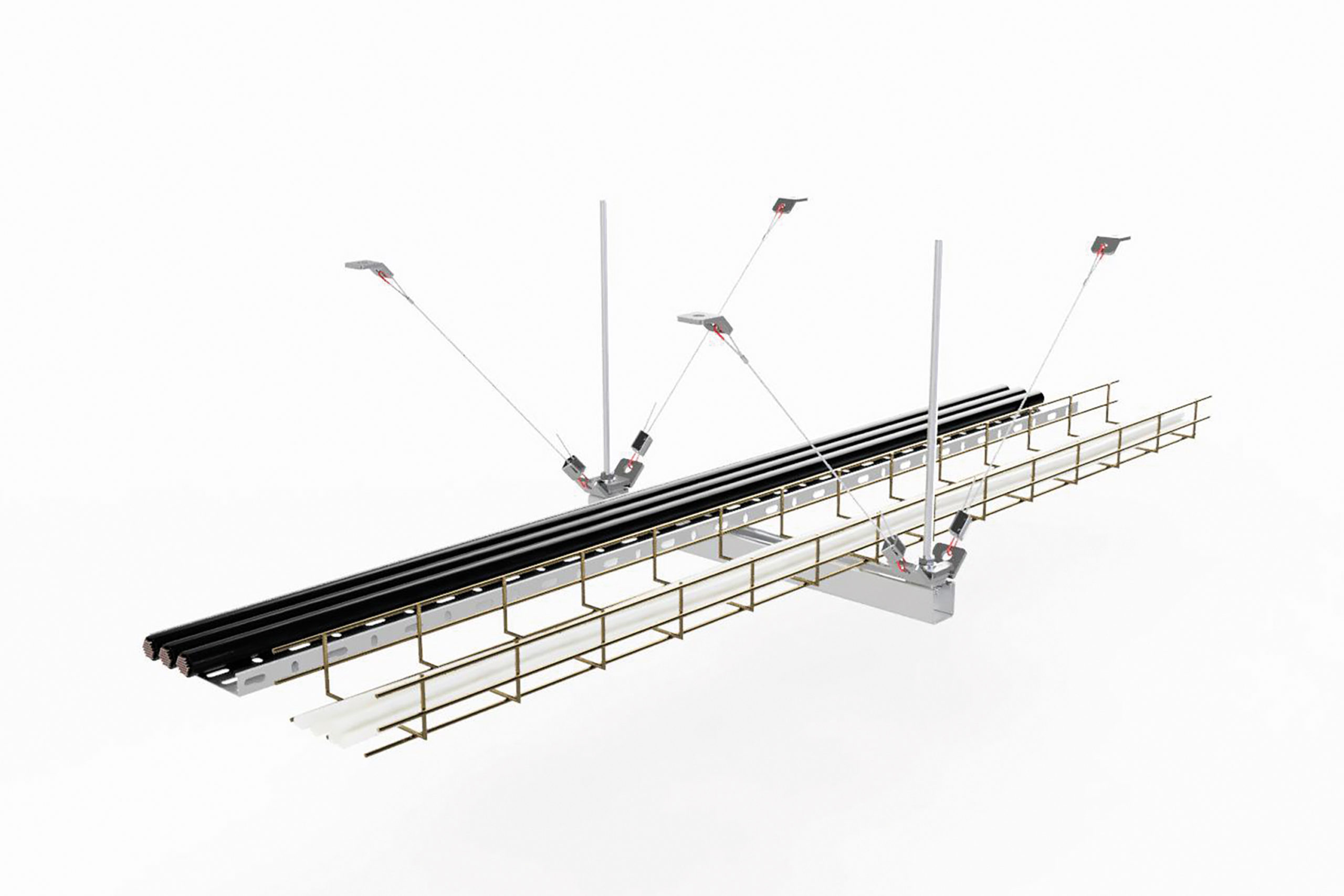
  • The Importance Of Bracing Seismic Structures For Safety And Stability

    Seismic activity, or the shaking of the ground caused by the movement of tectonic plates beneath the Earth’s surface, can have devastating consequences for buildings and structures In regions prone to earthquakes, it is essential to design and construct buildings with seismic bracing to ensure the safety and stability of the structure

    Seismic bracing refers to the use of various structural elements such as braces, walls, and beams to provide resistance to lateral forces generated during an earthquake These elements are strategically placed throughout the building to distribute the forces and prevent structural failure Buildings without adequate seismic bracing are at a much higher risk of collapse or severe damage during an earthquake, putting lives and property in danger.

    One of the key benefits of seismic bracing is increased safety for building occupants In the event of an earthquake, the bracing elements help to dissipate and absorb the energy from the seismic waves, reducing the amount of movement and sway experienced by the building This not only minimizes the risk of structural damage but also increases the chances of survival for those inside the building

    Additionally, seismic bracing improves the overall stability of the structure By incorporating bracing elements into the design, engineers can enhance the building’s resistance to lateral forces and ensure that it remains standing during an earthquake This is particularly crucial in high-rise buildings, where even slight movements can have catastrophic consequences.

    Furthermore, seismic bracing can also reduce the cost of repairs and maintenance following an earthquake Buildings that are properly braced are less likely to sustain significant damage during an earthquake, meaning that owners save money on repair costs and can quickly resume normal operations bracing seismic. This is especially important for businesses and organizations that rely on their buildings to function efficiently.

    There are various methods of seismic bracing that can be used depending on the type of building and the level of seismic activity in the region Some common bracing techniques include diagonal bracing, shear walls, and moment frames, all of which are designed to provide structural support and prevent collapse during an earthquake Engineers must carefully consider the specific needs of a building when designing the bracing system to ensure maximum effectiveness.

    In addition to new construction, existing buildings can also benefit from retrofitting with seismic bracing Retrofitting involves strengthening the existing structure with additional bracing elements to improve its ability to withstand seismic forces This is often necessary in older buildings that were not originally designed with earthquakes in mind Retrofitting can significantly increase the safety and stability of these structures, extending their lifespan and reducing the risk of collapse.

    While seismic bracing is essential for safety and stability, it is also important to consider other factors when designing and constructing buildings in earthquake-prone areas Proper foundation design, materials selection, and construction techniques all play a role in ensuring the resilience of a building during an earthquake By taking a holistic approach to seismic design, engineers can create structures that are not only safe and stable but also sustainable and cost-effective.

    In conclusion, seismic bracing is a crucial element of building design in earthquake-prone regions By incorporating bracing elements into the structure, engineers can enhance the safety and stability of buildings, reducing the risk of collapse and minimizing the impact of earthquakes on lives and property Whether designing a new building or retrofitting an existing structure, seismic bracing should be a top priority to ensure the long-term resilience of our built environment.

  • Strategies For Case Management Cost Reduction

    case management cost reduction is a top priority for organizations looking to streamline operations and improve efficiency. With the rising costs of healthcare and other services, finding ways to reduce expenses while still providing quality care is essential. By implementing strategic cost reduction measures, organizations can optimize their resources and maximize their impact on clients and patients. In this article, we will discuss some effective strategies for case management cost reduction to help organizations achieve their financial goals.

    One of the key strategies for case management cost reduction is to improve efficiency in documentation and administrative tasks. Streamlining paperwork, implementing electronic record-keeping systems, and automating routine processes can save valuable time and resources. By reducing the time spent on administrative tasks, case managers can focus more on client care and support, leading to better outcomes and lower overall costs.

    Another important aspect of cost reduction in case management is to optimize resource allocation. By carefully reviewing caseloads, staffing levels, and service delivery models, organizations can identify areas where resources may be underutilized or allocated inefficiently. By reallocating resources to where they are most needed and implementing best practices for case load management, organizations can improve productivity and reduce unnecessary costs.

    In addition to improving efficiency and resource allocation, organizations can also reduce costs by negotiating better contracts with service providers and vendors. By leveraging economies of scale and negotiating volume discounts, organizations can potentially save significant amounts of money on services and supplies. It is important for organizations to regularly review and renegotiate contracts to ensure they are getting the best possible terms and pricing.

    Furthermore, organizations can also reduce costs by implementing innovative technology solutions for case management. By utilizing telehealth services, remote monitoring, and other digital tools, organizations can provide quality care to clients and patients while reducing the need for in-person visits and costly interventions. Technology can also improve communication and collaboration within care teams, leading to better coordination and outcomes for clients.

    Moreover, organizations can reduce costs by implementing preventative measures to address potential issues before they escalate. By providing early intervention services, educating clients on self-management strategies, and offering preventative services, organizations can help clients avoid costly hospitalizations and emergency room visits. By focusing on prevention and proactive care, organizations can reduce overall costs and improve client outcomes.

    Furthermore, organizations can also reduce costs by collaborating with community partners and other stakeholders to leverage resources and avoid duplication of services. By working together with other organizations, sharing resources, and coordinating care across systems, organizations can provide more holistic and cost-effective care to clients and patients. By building strong partnerships and networks, organizations can improve access to services and reduce costs through shared resources and expertise.

    In conclusion, case management cost reduction is a critical priority for organizations looking to improve efficiency and provide quality care to clients and patients. By implementing strategic cost reduction measures such as improving efficiency in documentation, optimizing resource allocation, negotiating better contracts, leveraging technology, implementing preventative measures, and collaborating with community partners, organizations can achieve their financial goals while still delivering high-quality services. By focusing on cost reduction, organizations can maximize their impact and ensure the sustainability of their programs in the long term.

  • The Power Of Data In Human Resources

    In today’s digital age, data plays a crucial role in almost every aspect of business operations Human resources, in particular, stands to benefit greatly from the wealth of information that can be harnessed through data analytics The use of data in HR, also known as people analytics, has the potential to revolutionize the way organizations manage their workforce, make strategic decisions, and drive employee engagement and satisfaction.

    Gone are the days when HR decisions were based solely on gut feelings or anecdotal evidence With the rise of big data and powerful analytics tools, HR professionals now have access to a treasure trove of information that can help them make more informed and data-driven decisions From recruitment and onboarding to performance management and training, data can provide valuable insights that can enhance the effectiveness of HR processes and practices.

    One of the key benefits of using data in HR is the ability to identify trends and patterns that might otherwise go unnoticed By analyzing data on employee performance, turnover rates, absenteeism, and other key metrics, HR professionals can gain a better understanding of the factors that influence employee behavior and engagement This information can then be used to develop targeted strategies for improving employee satisfaction and retention, ultimately leading to a more productive and motivated workforce.

    Data can also play a crucial role in the recruitment and selection process By analyzing the traits and characteristics of top performers within the organization, HR professionals can create profiles of ideal candidates and use this information to screen and assess job applicants This not only helps to ensure a better fit between candidates and job roles but also increases the likelihood of hiring individuals who are likely to succeed and thrive within the organization.

    Furthermore, data can be used to personalize the employee experience and tailor HR programs and initiatives to individual preferences and needs By collecting data on employee preferences, career goals, and work habits, HR professionals can design training programs, rewards systems, and career development plans that are more likely to resonate with employees and drive engagement data and hr. This personalized approach can help to create a more positive and inclusive work environment, leading to higher levels of employee satisfaction and loyalty.

    In addition to improving employee engagement and satisfaction, data can also help HR professionals to identify and address issues related to diversity and inclusion within the organization By analyzing data on employee demographics, pay equity, and promotion rates, HR professionals can identify areas where disparities may exist and take proactive steps to address them This can help to create a more diverse and inclusive workplace where all employees feel valued and respected, ultimately leading to a more harmonious and productive work environment.

    It is important to note, however, that the use of data in HR comes with its own set of challenges and considerations Data privacy and security are paramount concerns when collecting and analyzing employee data, and HR professionals must ensure that they are in compliance with all relevant regulations and ethical guidelines Additionally, there is a risk of bias and discrimination when using data to make HR decisions, as algorithms and analytics tools can unintentionally perpetuate existing biases or stereotypes.

    Despite these challenges, the benefits of using data in HR far outweigh the risks By harnessing the power of data analytics, HR professionals can make more informed decisions, improve employee engagement and satisfaction, and create a more diverse and inclusive workplace Ultimately, data has the potential to revolutionize the field of HR and drive organizational success in the digital age.

    In conclusion, data and HR are a powerful combination that has the potential to transform the way organizations manage their workforce and drive employee engagement and satisfaction By leveraging the insights and information provided by data analytics, HR professionals can make more informed decisions, improve recruitment and selection processes, personalize the employee experience, and address issues related to diversity and inclusion While there are challenges to overcome, the benefits of using data in HR are clear, and organizations that embrace this approach are likely to thrive in the digital age.

  • The Importance Of Choosing The Right Heat Exchanger Material

    When it comes to designing and selecting a heat exchanger, one of the most critical decisions engineers have to make is choosing the right material for the heat exchanger. The choice of material can significantly impact the performance, efficiency, and lifespan of the heat exchanger. In this article, we will discuss the importance of selecting the right heat exchanger material and highlight some common materials used in heat exchanger construction.

    Heat exchangers are devices designed to transfer heat between two or more fluids at different temperatures. They are widely used in various industries such as HVAC, chemical processing, power generation, and refrigeration. The efficiency and effectiveness of a heat exchanger depend on several factors, including the design, operating conditions, and most importantly, the material used for construction.

    The choice of material for a heat exchanger is crucial for several reasons. First and foremost, the material must be able to withstand the operating conditions of the heat exchanger, including temperature, pressure, and corrosive environment. Using the wrong material can result in premature failure, leaks, and even safety hazards. Additionally, the material should have good thermal conductivity to ensure efficient heat transfer between the fluids.

    One of the most commonly used materials in heat exchanger construction is stainless steel. Stainless steel is known for its excellent corrosion resistance, high strength, and durability. It is ideal for applications where the heat exchanger is exposed to high temperatures and corrosive fluids. However, stainless steel can be expensive, so it may not be ideal for all applications.

    Another popular material for heat exchangers is copper. Copper is widely used because of its high thermal conductivity, which allows for efficient heat transfer. It is also relatively easy to work with and has good formability. Copper is commonly used in HVAC systems, refrigeration units, and domestic water heaters. However, copper is susceptible to corrosion, especially in the presence of certain chemicals and high temperatures.

    For applications that require even higher thermal conductivity than copper, materials such as aluminum and titanium are often used. Aluminum is lightweight, cost-effective, and has good thermal properties, making it suitable for applications where weight is a concern. Titanium, on the other hand, is highly corrosion-resistant and can withstand extreme temperatures. It is commonly used in industries such as aerospace, chemical processing, and marine applications.

    In some cases, exotic materials such as Inconel, Hastelloy, and Monel may be used for heat exchangers that operate in extremely harsh environments. These materials offer superior corrosion resistance and high-temperature strength, making them suitable for applications where other materials would fail. However, exotic materials can be expensive and may require special welding techniques, which can add to the overall cost of the heat exchanger.

    When selecting the right material for a heat exchanger, engineers must consider various factors such as the operating conditions, fluid properties, budget constraints, and regulatory requirements. It is essential to work closely with materials engineers and suppliers to ensure that the chosen material meets all the necessary criteria for the specific application.

    In conclusion, choosing the right heat exchanger material is vital for ensuring the overall performance, efficiency, and longevity of the heat exchanger. The material must be able to withstand the operating conditions, provide efficient heat transfer, and remain corrosion-resistant over time. By carefully evaluating the requirements of the application and selecting the appropriate material, engineers can design heat exchangers that meet the desired specifications and deliver optimal performance.

  • Ensuring Legal Compliance In The World Of Gambling With Gambling Compliance Ltd

    Gambling has been around for centuries, offering people a chance to test their luck and potentially win big. However, with the rise of online gambling and the globalization of the industry, the need for strict regulatory compliance has become increasingly important. This is where companies like gambling compliance ltd come into play, working to ensure that all aspects of the gambling industry adhere to the necessary legal requirements.

    Established in 2004, gambling compliance ltd is a leading provider of independent legal, regulatory and business intelligence to the global gambling industry. The company offers a range of services, including regulatory intelligence, legal analysis, market research, and consulting to help gambling operators navigate the complex web of regulations that govern the industry.

    One of the key services offered by gambling compliance ltd is regulatory intelligence. This involves monitoring and analyzing regulatory developments around the world to help clients stay abreast of changing laws and requirements. With the landscape of gambling regulations constantly evolving, staying compliant can be a daunting task for operators. Gambling Compliance Ltd helps to simplify this process by providing timely updates and expert analysis on key regulatory changes.

    Legal analysis is another important service offered by Gambling Compliance Ltd. The company’s team of legal experts provides in-depth analysis of relevant gambling laws and regulations, helping clients to understand their legal obligations and navigate potential risks. By staying on top of legal developments, operators can ensure that they are operating within the boundaries of the law and avoid costly penalties or sanctions.

    Market research is also a core component of Gambling Compliance Ltd’s services. The company conducts comprehensive market research to help operators identify growth opportunities, understand consumer preferences, and make informed business decisions. By leveraging this research, operators can develop targeted marketing strategies, expand into new markets, and stay ahead of the competition.

    In addition to these services, Gambling Compliance Ltd also offers consulting services to help operators develop compliance programs, conduct risk assessments, and implement best practices. The company works closely with clients to tailor solutions to their specific needs, ensuring that they are well-equipped to comply with regulations and operate ethically and responsibly.

    One of the key challenges facing the gambling industry today is the growing emphasis on responsible gambling. As awareness of problem gambling continues to rise, regulators are placing increasing pressure on operators to implement measures to protect vulnerable players and promote responsible gaming. Gambling Compliance Ltd helps operators meet these obligations by providing guidance on responsible gambling policies, training programs, and player protection measures.

    The global nature of the gambling industry also presents unique compliance challenges. With operations spanning multiple jurisdictions, operators must navigate a complex web of regulations and licensing requirements. Gambling Compliance Ltd offers expertise in navigating this complexity, helping operators to obtain licenses, comply with reporting requirements, and address regulatory inquiries in various jurisdictions.

    In recent years, Gambling Compliance Ltd has expanded its services to include data privacy and cybersecurity compliance. With the rise of digital gambling platforms and the increasing prevalence of cyber threats, protecting customer data and ensuring cybersecurity has become a top priority for operators. Gambling Compliance Ltd helps operators develop data privacy policies, implement cybersecurity measures, and comply with data protection regulations to safeguard customer information and maintain trust.

    Overall, Gambling Compliance Ltd plays a crucial role in ensuring legal compliance in the world of gambling. By providing regulatory intelligence, legal analysis, market research, and consulting services, the company helps operators navigate a complex regulatory landscape, meet their legal obligations, and operate responsibly. With the industry facing increasing scrutiny and evolving regulations, companies like Gambling Compliance Ltd are essential partners in helping operators navigate the challenges of the modern gambling landscape.

  • Top 5 Essential Hospitality HR Advice For A Successful Team

    In the fast-paced and ever-evolving hospitality industry, having a strong HR system in place is crucial for the success of any business Human resources play an integral role in managing, developing, and retaining talent within a company, and this is especially true in the hospitality sector where guest satisfaction is paramount Here are five essential hospitality HR advice to help you create a successful team and elevate your business to new heights.

    1 **Recruitment and Selection Process:** One of the most important aspects of hospitality HR is the recruitment and selection process It is essential to hire the right people who not only have the necessary skills and experience but also fit the company culture When hiring for hospitality roles, look for candidates who are passionate about customer service, adaptable, and have a positive attitude Conduct thorough interviews, check references, and consider using role-playing scenarios to assess how candidates handle challenging situations Investing time and resources in finding the right employees will pay off in the long run by reducing turnover and increasing employee satisfaction.

    2 **Training and Development:** Once you have hired the right employees, it is crucial to provide them with continuous training and development opportunities In the hospitality industry, where customer interactions play a significant role, employees should be well-trained in customer service, communication skills, and problem-solving Offering workshops, cross-training opportunities, and access to online courses can help employees develop their skills and advance in their careers In addition, providing regular feedback and performance evaluations will help employees understand their strengths and areas for improvement, leading to higher job satisfaction and productivity.

    3 **Employee Engagement and Recognition:** Employee engagement is a key driver of productivity and retention in the hospitality industry Creating a positive work environment where employees feel valued and appreciated is essential for maintaining a motivated and engaged team Consider implementing recognition programs, such as employee of the month awards or performance bonuses, to reward employees for their hard work and dedication Encourage open communication and feedback, and listen to your employees’ ideas and concerns hospitality hr advice. By fostering a culture of transparency and respect, you can create a strong sense of teamwork and unity among your staff.

    4 **Conflict Resolution and Performance Management:** In a fast-paced and high-stress environment like hospitality, conflicts and performance issues are inevitable It is essential for HR professionals to be equipped with conflict resolution skills and effective performance management strategies Addressing conflicts and performance issues in a timely and constructive manner can prevent escalation and improve team morale Offer training to managers on how to handle difficult conversations and provide them with the tools and resources they need to address performance issues effectively By proactively managing conflicts and performance, you can create a harmonious work environment and prevent issues from affecting employee morale and productivity.

    5 **Work-life Balance and Well-being:** In the hospitality industry, where long hours and irregular schedules are common, maintaining a healthy work-life balance is crucial for employee well-being and job satisfaction Encourage employees to take breaks, use their paid time off, and prioritize self-care Offer flexible scheduling options and consider implementing wellness programs, such as yoga classes or mindfulness training, to support employee well-being Show your employees that you care about their health and happiness by promoting work-life balance and creating a supportive work environment Happy and healthy employees are more productive, engaged, and likely to stay with your company long-term.

    In conclusion, hospitality HR plays a critical role in shaping the success of a hospitality business By following these essential HR advice, you can create a strong team, foster a positive work environment, and drive employee engagement and satisfaction Investing in your employees’ recruitment, training, development, and well-being will pay off in the form of improved guest satisfaction, employee retention, and overall business success Remember, your employees are your most valuable asset, so treat them well, and they will help you achieve your business goals.